
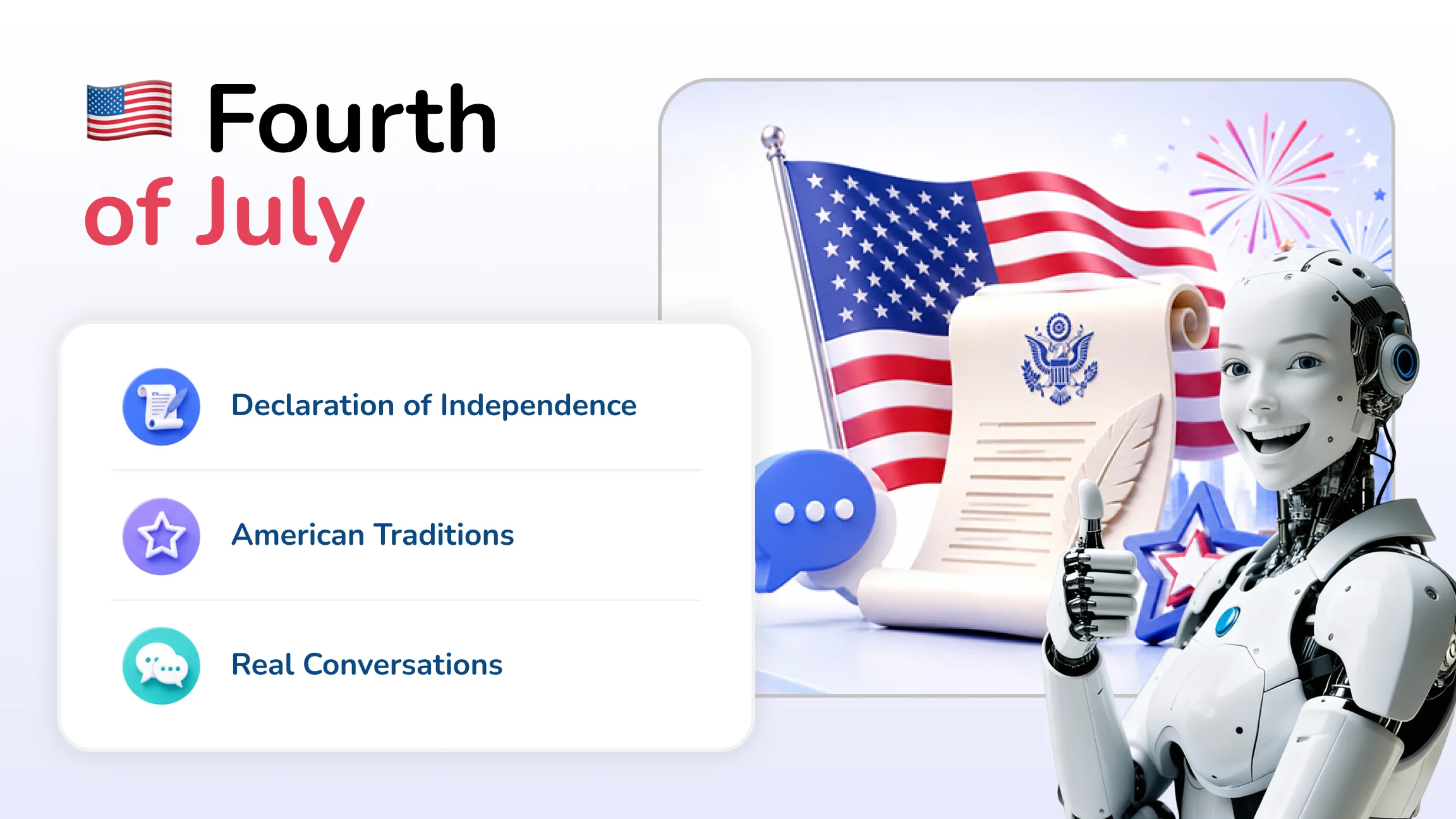
What Actually Happened on July 4, 1776?
The legal separation from Britain actually occurred two days earlier. On July 2, 1776, Congress voted to approve a resolution of independence proposed by Richard Henry Lee of Virginia. Congress then turned its attention to the Declaration of Independence, a document explaining that decision, which had been drafted primarily by Thomas Jefferson over 17 days in June.
Congress debated and revised the wording before approving it on July 4. From the beginning, Americans chose to celebrate on July 4 rather than July 2, because the Declaration was the document made public the one that carried the date and the explanation the world would read.
By remarkable coincidence, both Thomas Jefferson and John Adams, the only two signatories of the Declaration later to serve as president, died on the same day: July 4, 1826, the 50th anniversary of its adoption.
How Americans Celebrate the Fourth of July?
Independence Day is considered the peak of American summer. Celebrations typically begin in the morning and run well into the night, anchored by fireworks after dark.
Fireworks are the defining tradition of the holiday. Public displays take place in cities and towns across the country, a practice that dates to Philadelphia in 1777. New York City hosts the largest display in the country, organised by Macy's, typically over the East River or Hudson River. Washington, D.C. holds a major display over the National Mall, preceded by a free concert outside the U.S. Capitol broadcast nationally on PBS.
Parades bring communities together in the morning hours. Bristol, Rhode Island has held its Fourth of July parade continuously since 1785, making it the oldest such celebration in the country.
Barbecues and picnics are central to how families mark the day. July 4 is the most popular day of the year for outdoor grilling in the United States, and gatherings typically feature classic summer foods: burgers, hot dogs, corn, potato salad, and watermelon.
Patriotic decoration is visible everywhere. Homes, businesses, and clothing display the American flag's red, white, and blue. Many people dress in the national colors for the occasion.
Baseball has a long association with the holiday. Major League Baseball schedules games across the country on July 4, and the combination of afternoon baseball and evening fireworks is a familiar part of how many Americans spend the day.
The Language of Independence Day
The Fourth of July introduced a specific set of phrases and ideas into the English language that remain in active use today. Understanding them gives English learners a window into how Americans think about history, identity, and national values.
"Life, liberty, and the pursuit of happiness" comes directly from the Declaration of Independence and is one of the most quoted phrases in American political culture. It appears in speeches, journalism, and everyday conversation as a shorthand for the values the country was founded on.
"Founding Fathers" refers to the group of leaders who shaped the Declaration of Independence and the U.S. Constitution. The term is used regularly in discussions of American history, law, and politics.
"Stars and Stripes" is a common informal name for the American flag, used in songs, headlines, and conversation.
"Land of the free" comes from the national anthem, The Star-Spangled Banner, and is frequently used both seriously and ironically in discussions of American society and politics.
"Red, white, and blue" refers to the colors of the American flag and is used as a general expression of American patriotism, particularly around national holidays.
For English learners, these phrases come up constantly in American news, entertainment, and conversation. Knowing where they come from and what they mean makes it far easier to follow discussions about American culture and current events.
Why the Fourth of July Matters for English Learners?
American holidays generate enormous amounts of authentic English content. In the days around the Fourth of July, English language media is full of historical explanation, cultural commentary, political speech, and everyday conversation about food, family, and celebration. This is exactly the kind of real-world input that builds vocabulary and listening comprehension more effectively than textbook exercises.
The holiday also surfaces a specific register of formal English. Presidential speeches, historical documents, and civic language all appear in Fourth of July coverage. Learners who want to improve their understanding of American English in professional or academic contexts benefit from engaging with this material directly.
Learna AI helps you turn that kind of cultural exposure into speaking confidence. Through conversation practice built around real world topics including American culture, current events, and the kind of vocabulary that appears in news and media, Learna AI gives you a structured way to practise what you are already encountering. The Daily Life English solution is a natural starting point for learners who want to speak more naturally about the world around them.
