
Master Daily English Conversations 💬 with Confidence
Learna AI helps learners use English naturally in everyday situations, from greetings and small talk to errands and routines, through real conversation practice and instant feedback.
What Is Daily Life English?
Daily Life English is the practical, spoken form of English used in everyday situations including greetings, small talk, shopping, appointments, and getting around. Unlike grammar-focused study, it is built on natural phrases and conversational responses. The goal is to think and respond in English without translating, so communication feels immediate and effortless.
.webp?alt=media&token=8759138e-bdbc-4c9c-a5ad-e713c4729766)
How Learna AI Teaches Daily Life English?
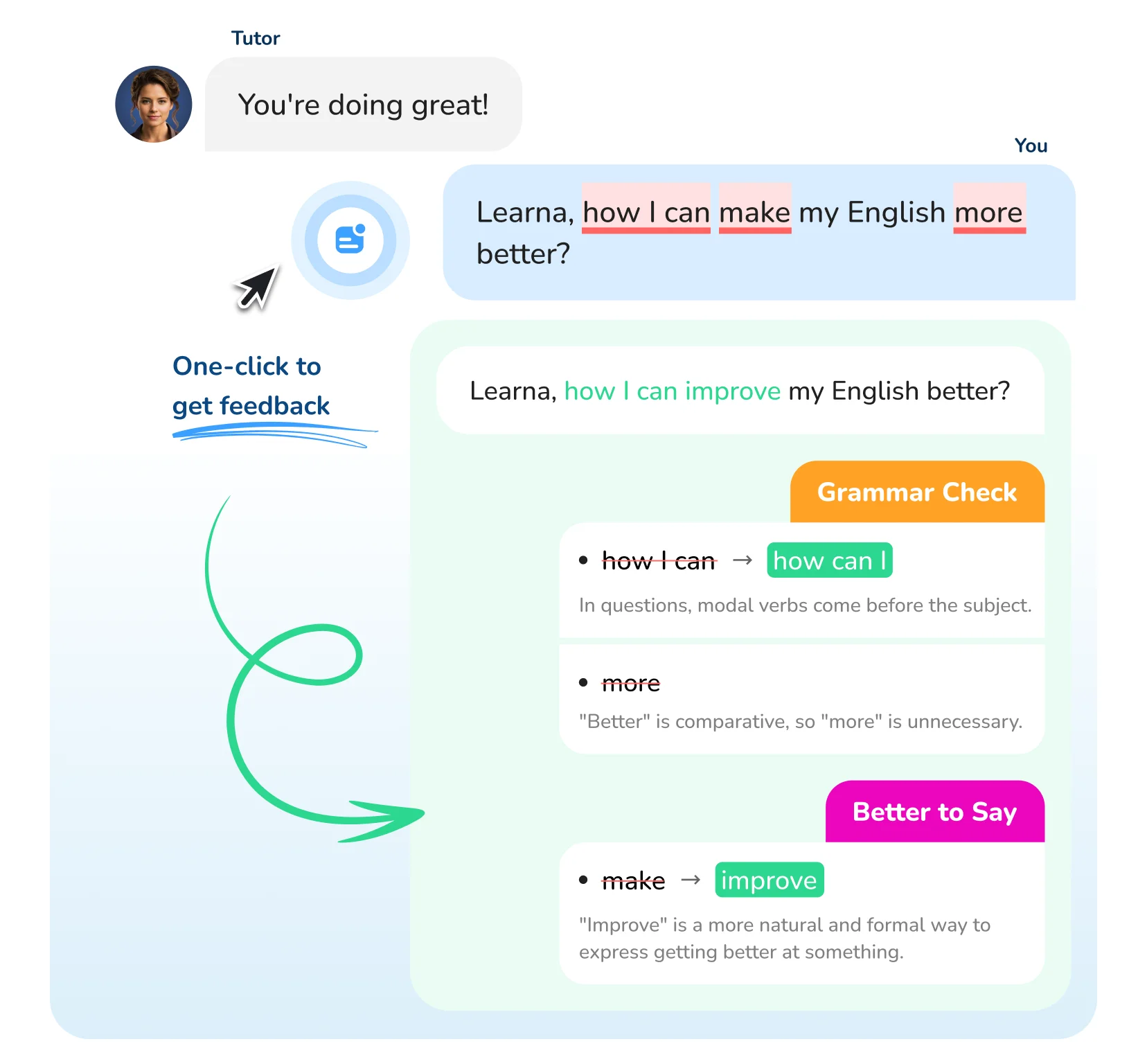
Learna AI builds everyday English through realistic dialogue, simulating scenarios like shopping, chatting with neighbors, and service settings while correcting pronunciation, vocabulary, and grammar in real time. Roleplay builds the spontaneous response skills needed for unexpected moments. Learners can also explore building formal writing skills and academic vocabulary as a next step.
Who Benefits from Daily Life English?
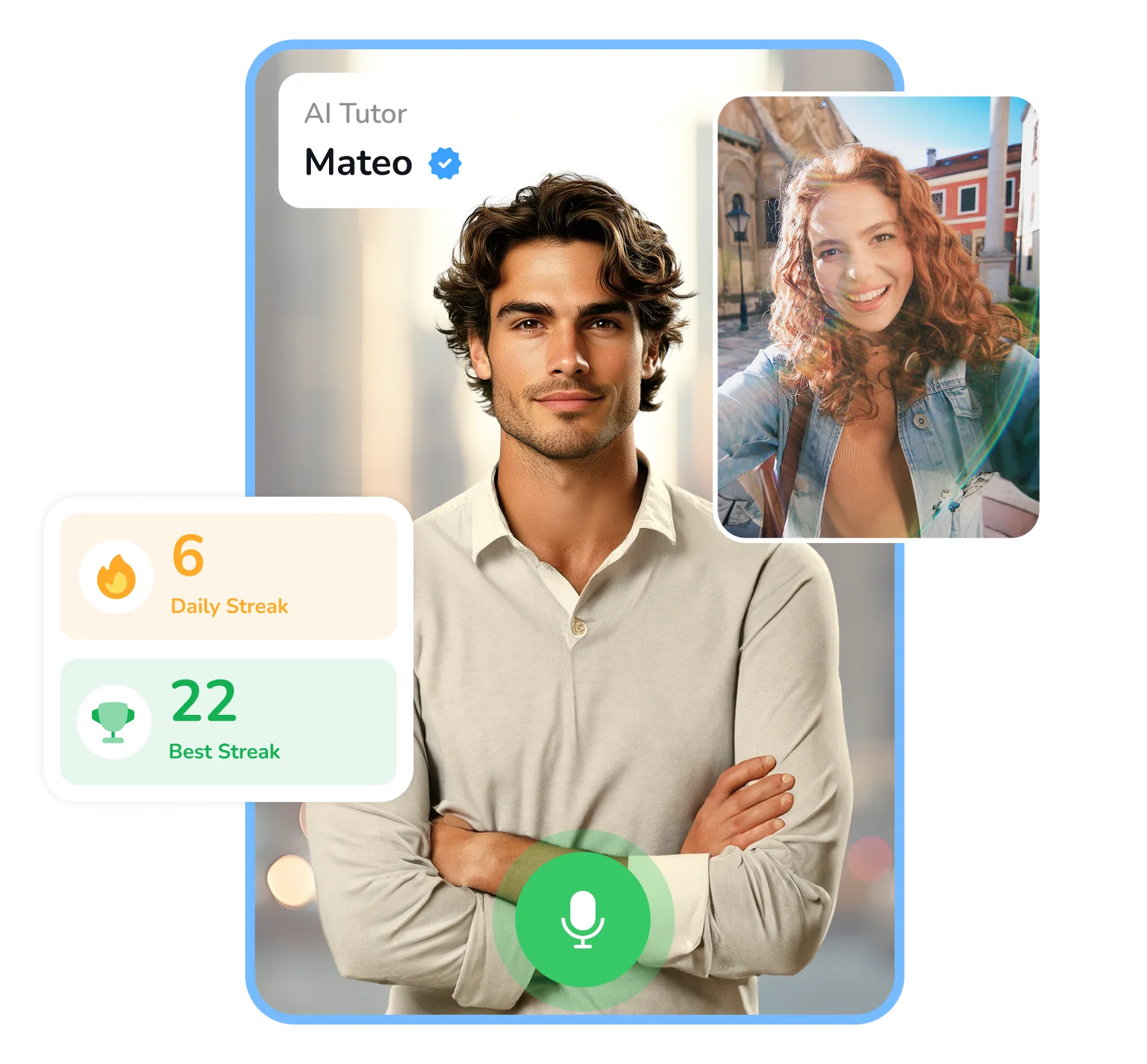
Daily Life English supports travelers navigating airports and hotels, newcomers settling into a new city, beginners building confidence in basic conversations, and anyone who understands English but hesitates to speak in real situations. Whether the goal is preparing for travel specific conversations or simply feeling more natural in small talk, Learna AI adapts to each learner's starting point and daily needs.
English for Everyday Situations
Daily English covers a wide range of practical situations that learners encounter regularly. Knowing the right phrases for each context reduces hesitation and builds real-world confidence. Learners who want to extend their English into professional settings will find that building everyday English for work situations connects naturally to more structured business communication skills.
Shopping & Restaurants
- Ordering food, asking about prices, and requesting the bill
- Trying on clothes and asking for a different size
- Asking about availability, returns, and store policies
Appointments & Services
- Booking a doctor or dentist appointment by phone or in person
- Talking to a hairdresser and describing what you want
- Asking about waiting times and service availability
Getting Around
- Asking for directions and understanding responses
- Taking a taxi or using public transport
- Renting an apartment and talking to a landlord
Everyday English Phrases and Small Talk
Building a natural phrase bank is one of the fastest ways to feel comfortable in daily English conversations. The categories below cover the situations learners encounter most frequently.
💬 Greetings & Small Talk
Casual greetings open conversations and set a friendly tone in everyday interactions.
🗺️ Preferences & Plans
These phrases help learners share opinions and arrange social plans naturally.
🏡 Common Daily Sentences
Short, frequently used sentences that come up in everyday life.
🗣️ Common Everyday Idioms
Idioms are a core part of conversation. Understanding them helps you follow native speakers easily.
How to Make English Part of Your Daily Routine?
Consistent exposure outside formal lessons is one of the most effective ways to build fluency in everyday English. Small, deliberate changes to daily habits produce lasting results over time.
🧠 Thinking & Labeling
Start thinking in English during routine tasks. Describe what you are doing in your head as you go about your day.
- Label objects around the home with their English names
- Narrate simple actions mentally to build automatic language responses
🔄 Routine Swaps & Entertainment
Integrate English seamlessly into your media consumption and screen time to adapt your brain to natural language.
- Listen to English-language podcasts during commutes or workouts
- Watch videos in English to train your ear for natural rhythm and slang
✨ Habit Building with Learna
Overcome the hesitation of speaking by turning English practice into a friction-free, comfortable daily ritual.
- Practice freely without any fear of judgment or making mistakes 7/24
- Build lasting verbal confidence by dedicating just 5-10 minutes every single day
How to Use Learna for Daily English?
Pick a Daily Scenario
Choose a situation that matches a real need, such as shopping, greetings, making plans, or navigating appointments. Learna builds the session around that context from the start.
Practice Real Conversations
Each session uses natural, flowing dialogue rather than memorized lines. The AI tutor responds as a real conversation partner would, keeping exchanges realistic and appropriately challenging.
Get Instant Feedback
After each response, Learna identifies pronunciation issues, suggests more natural vocabulary, and corrects grammar errors. Corrections are specific and contextual so learners understand exactly what to change and apply it immediately in the next exchange.
Frequently Asked Questions
What is Daily Life English?

How can I practice English every day?
What is the difference between formal and informal English?
Is AI a good way to learn daily English?
Why is it important to practice English every day?
What kind of daily English should I focus on as a beginner?
How can I stay motivated to practice English regularly?
Can I improve my speaking skills without living in an English speaking country?
What are common English phrases used in daily conversations?
How can I practice English for shopping and restaurants?
What is the easiest way to start using English daily?
Can Learna AI help with everyday small talk?
How long does it take to feel comfortable with daily English?
What English phrases are useful for getting around a new city?
How is Daily Life English different from Business English?
Learna AI
Learna AI is a personal AI language tutor that turns daily practice into real speaking confidence. Through scenario based roleplay and instant feedback, learners build fluency in English, Spanish, and French at their own pace, anytime, on any device. To experience how consistent, daily speaking practice can fit into your routine, you can begin your personalized journey today and start speaking with greater confidence, learn more about Learna AI.