
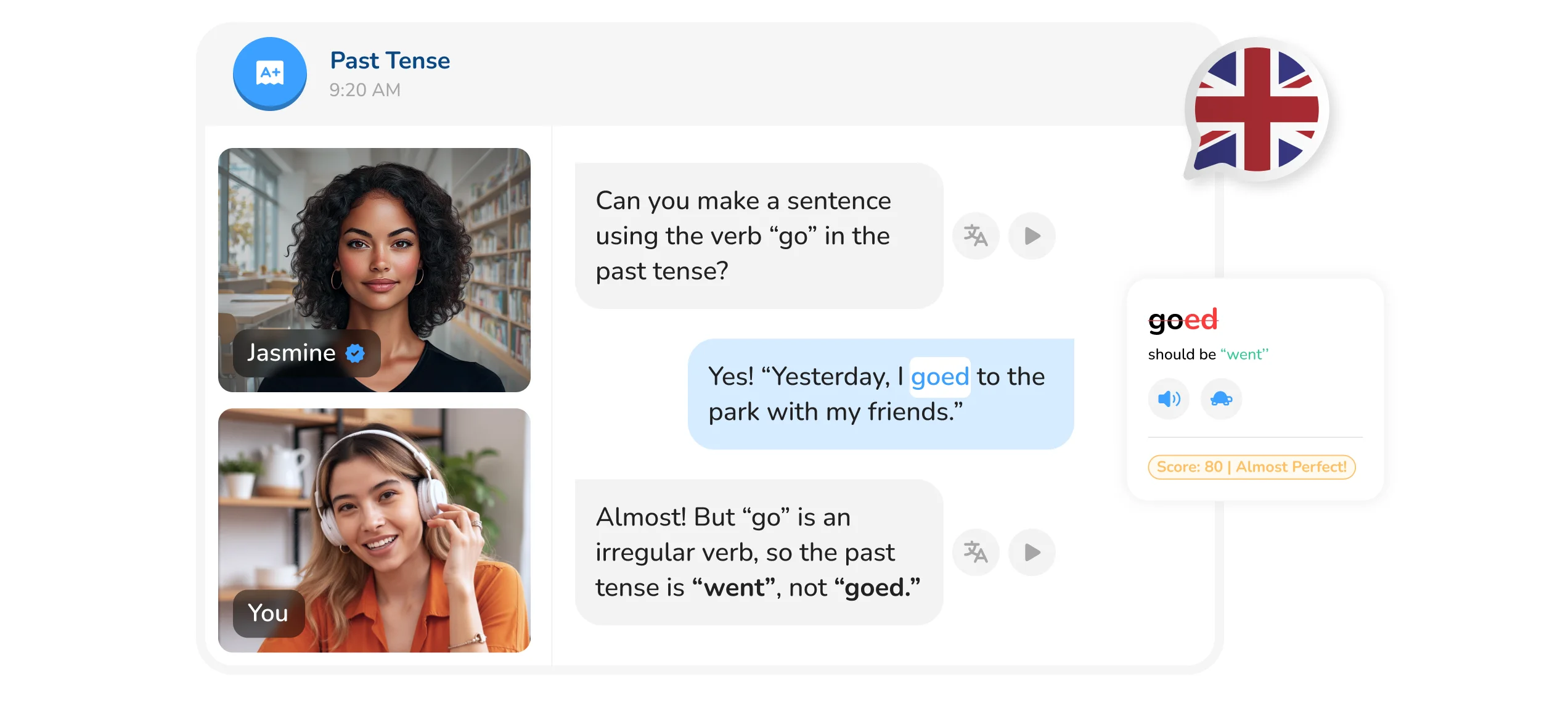
Learning the most common irregular verbs helps learners understand and use everyday English more accurately. This guide presents 25 frequently used verbs with their base form, irregular past tense verbs, and past participle tense forms, plus short example sentences using simple grammar and vocabulary suitable for beginners. Regular practice of these verbs improves clarity in speaking, speeds comprehension, and supports correct use of perfect constructions that rely on the past participle tense. For learners who also study Spanish, comparing English irregular verbs with irregular verbs Spanish and imperfect tense irregular verbs in Spanish can clarify how each language expresses past and ongoing actions, helping learners handle differences between English past forms and the spanish imperfect tense.
Why Learning Irregular Verbs Is Important?
A focused list of irregular verbs directly supports daily conversation, common writing tasks, and accurate sentence construction. Regular review of central verbs such as the verb be assists with building statements, questions, and descriptions across tenses. Knowing base, simple past, and past participle forms reduces hesitation and grammatical mistakes when forming past statements or perfect tenses with have/has/had. Understanding the difference in use between simple past and past participle tense is important for creating correct sentences in contexts like storytelling, reporting past events, or describing completed tasks. For bilingual learners, awareness of spanish imperfect tense and its irregular forms clarifies why English uses different past structures; this comparison supports transfer of learning across languages. Consistent practice of these verbs strengthens recall and improves accuracy in everyday interactions and written messages.
Top 25 Irregular Verbs (Base — Past — Past Participle) with Examples
1. be — was/were — been. He was late to the meeting. She has been to that city.
2. become — became — become. He became a teacher last year. She has become more confident.
3. begin — began — begun. The class began at nine. They have begun the project.
4. break — broke — broken. He broke the cup yesterday. The window was broken.
5. bring — brought — brought. She brought her notes to class. They have brought snacks.
6. build — built — built. He built a small shelf. The team has built a model.
7. buy — bought — bought. She bought a new book. He had bought tickets.
8. choose — chose — chosen. He chose the blue shirt. She has chosen her course.
9. come — came — come. He came early this morning. She has come to the office.
10. do — did — done. She did the homework. The work is done now.
11. drink — drank — drunk. He drank water after running. She has drunk coffee.
12. drive — drove — driven. He drove to the meeting. She has driven this route.
13. eat — ate — eaten. She ate lunch at noon. They had eaten already.
14. find — found — found. He found his keys on the table. The answer was found.
15. get — got — gotten/got. She got a message yesterday. He has gotten good results.
16. give — gave — given. He gave her a pen. She has given feedback.
17. go — went — gone. He went home early. She has gone to the store.
18. have — had — had. She had a long day. They have had enough time.
19. know — knew — known. He knew the answer. She has known him for years.
20. leave — left — left. He left the office at five. She has left a note.
21. make — made — made. She made dinner last night. The report is made.
22. meet — met — met. He met the new client. They have met before.
23. read — read — read (pronounced /red/ in past). She read the article. He has read that book.
24. see — saw — seen. He saw the presentation. She has seen the results.
25. take — took — taken. He took the train yesterday. She has taken notes.
Practice Irregular Verbs with Learna AI
Learna provides structured practice for irregular verbs through guided conversations and roleplay exercises that place verbs in realistic contexts. The platform delivers concise lessons explaining verb forms and example sentences, followed by simulated dialogues that require use of irregular past tense verbs and past participle tense forms. Regular, targeted practice helps retention and supports correct use of verbs such as the verb be, while allowing learners to compare patterns with their native language, including irregular verbs Spanish and imperfect tense irregular verbs where appropriate. Learna’s progress tracking identifies frequent errors and recommends focused sessions to reinforce those areas.
Start For Free to begin practice with realistic dialogues and structured review of common irregular verbs.
