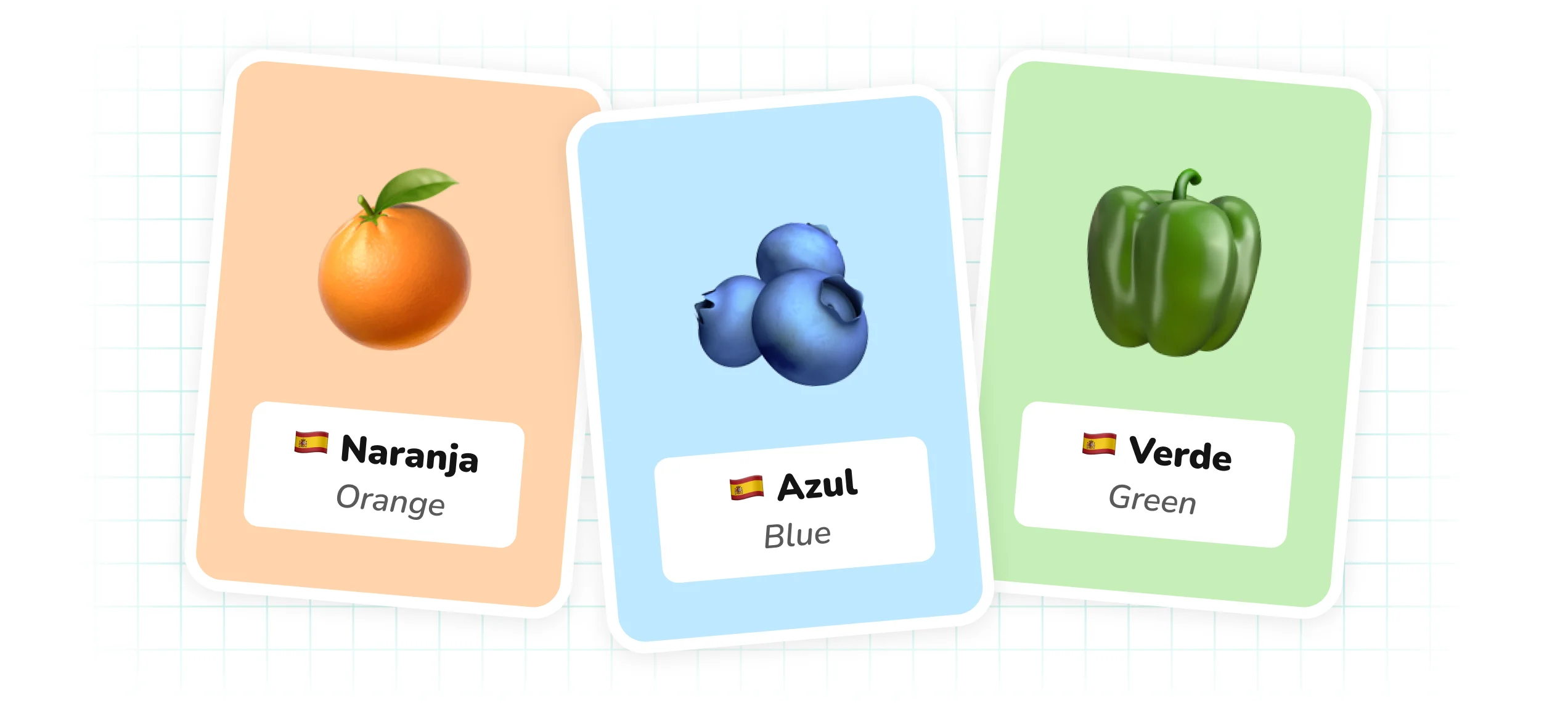
Learning colors in spanish helps beginners describe the world and build simple sentences. This article lists the most common spanish colors with their English meanings and short example sentences. Each example uses basic grammar and vocabulary suitable for early learners, with practical contexts like clothes, nature, and everyday objects. Learners are encouraged to read the list, repeat the words aloud, and practice forming similar sentences. The method recommends starting with a few colors and adding more over time. A useful practice is to say the Spanish word, then the English translation, and then read the example sentence aloud to connect vocabulary with real usage.
List of Common Colors in Spanish with English
Below are key spanish colors with English translations and simple examples. Each line shows the Spanish color, the English meaning, and a short sentence for context.
Rojo — red: El coche es rojo — The car is red.
Azul — blue: El cielo es azul — The sky is blue.
Verde — green: La planta es verde — The plant is green.
Amarillo — yellow: El taxi es amarillo — The taxi is yellow.
Negro — black: La camisa es negra — The shirt is black.
Blanco — white: La nieve es blanca — The snow is white.
Gris — gray: El edificio es gris — The building is gray.
Rosa — pink: La flor es rosa — The flower is pink. (See color pink in spanish)
Naranja — orange: La naranja es naranja — The orange is orange. (See orange in spanish color)
Marrón / Café — brown: La mesa es marrón — The table is brown. (See brown in spanish color)
Violeta — purple: El vestido es violeta — The dress is purple.
Dorado — gold: El anillo es dorado — The ring is gold.
Plateado — silver: El reloj es plateado — The watch is silver.
These examples use a simple sentence pattern: subject + verb + adjective. In Spanish, color adjectives usually follow the noun and must agree in gender and number when required (for example, "negra" for a feminine noun like "camisa").
Practice Colors in Spanish with Learna AI
Learna supports practice of how to colors in Spanish through interactive lessons and conversation-style roleplays that focus on vocabulary retention and pronunciation. The platform provides short grammar tips, targeted vocabulary such as spanish colors, and roleplay exercises where learners describe objects and scenes using color words. Lessons offer immediate feedback on pronunciation and word choice, with suggestions when learners are unsure. Regular practice of these focused exercises helps reinforce memory and apply color words in practical sentences, such as describing clothing, items at the market, or colors in a room. The structured lessons promote steady progress while keeping practice concise and goal-oriented.
Start For Free to practice color vocabulary and develop confidence in speaking Spanish.
